Featured
Building a Personal Insurance Strategy Around Your Life Stage
Anxiety Disorder vs. Everyday Worry: Where the Line Actually Falls
Before You Book: A Pre-Trip Research Framework for Any Destination
A New Driver's Introduction to Looking After a Car
Assumptions That Lead People to Underpowered or Overpowered Devices
Before You Hit Apply: A Pre-Submission Checklist for Every Job Application
Before Your New Pet's First Vet Appointment: A Preparation Checklist
Topics
Search
Enter at least 3 characters
Trusted guidance on Finance, Pets, Travel, Auto, Health, Tech & Gadgets, Jobs, Business.
16 articles · Updated Sep 2026
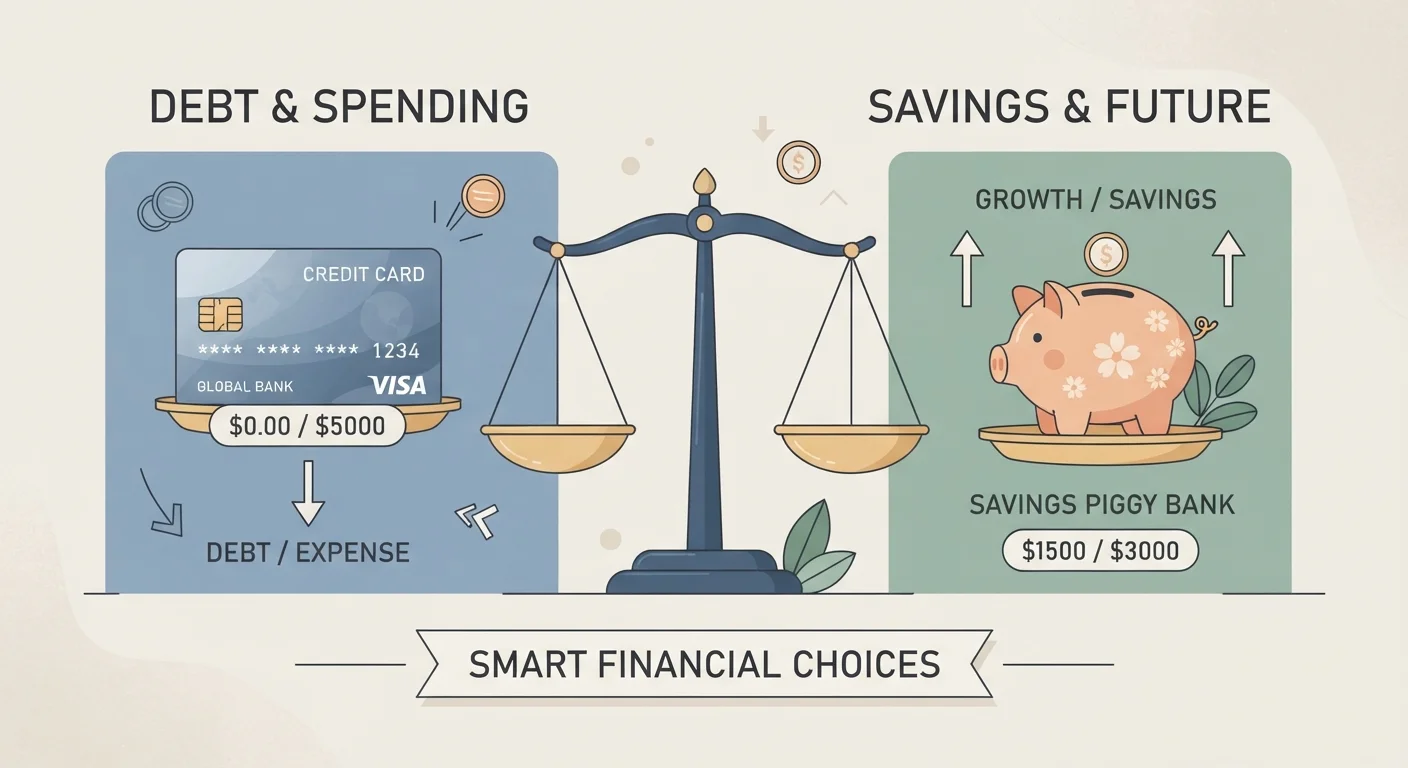
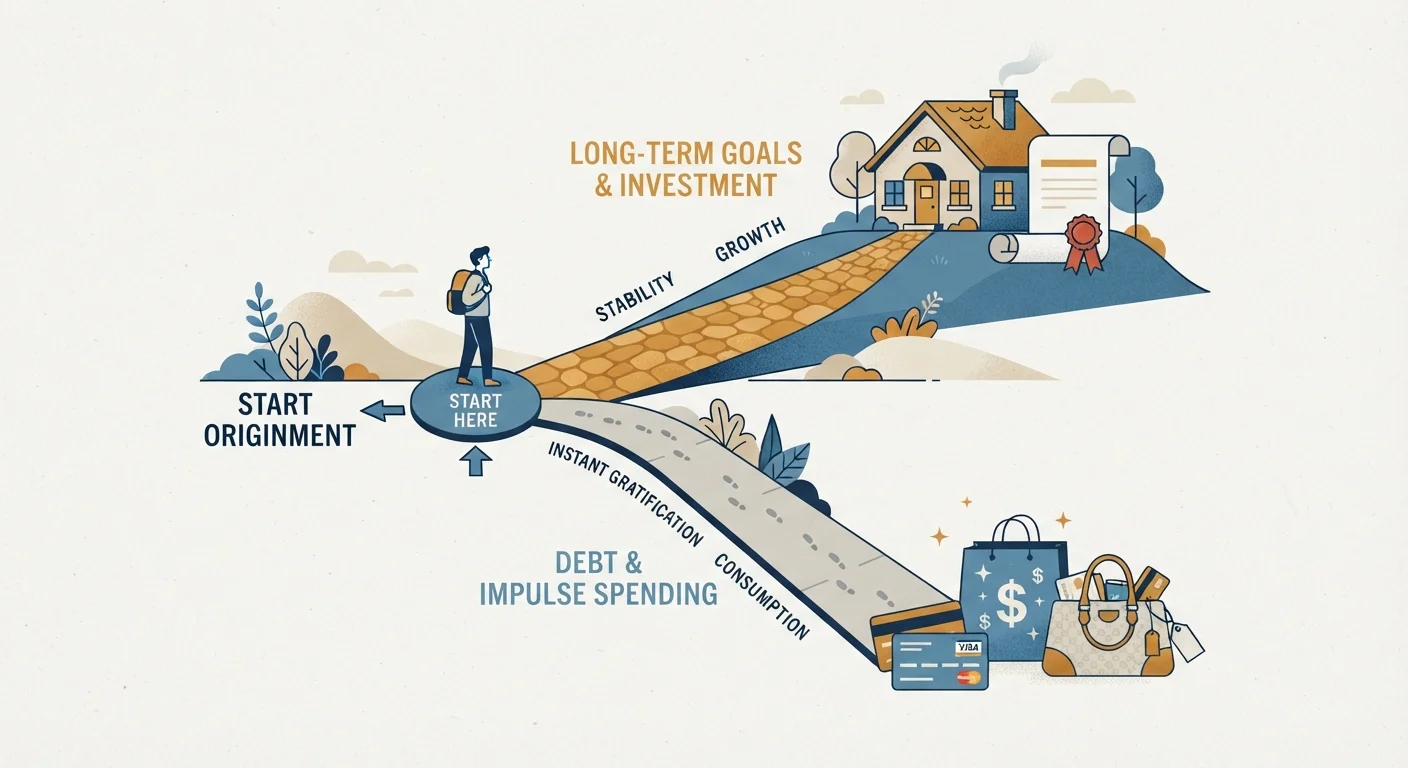
Saving & Debt
From auditing what you owe to sustaining progress over months or years, this end-to-end resource cov…
Automatic transfers remove the willpower question from saving. Explore the mechanics, timi…
Compound interest works in your favour when saving and against you when borrowing. Underst…
How much of your available credit you use can reflect and reinforce your broader savings h…
Some repayment setbacks come from big decisions, but many stem from small recurring habits…
The good debt versus bad debt framing is widespread but oversimplified. Examine what the l…
Earning more without saving more is the pattern lifestyle inflation describes. Understand …
A structured checklist to review your income, spending, savings rate, and debt position ea…
Making additional mortgage payments can reduce interest and shorten your loan term, but th…
Financial resilience is less about income level and more about consistent habits and struc…
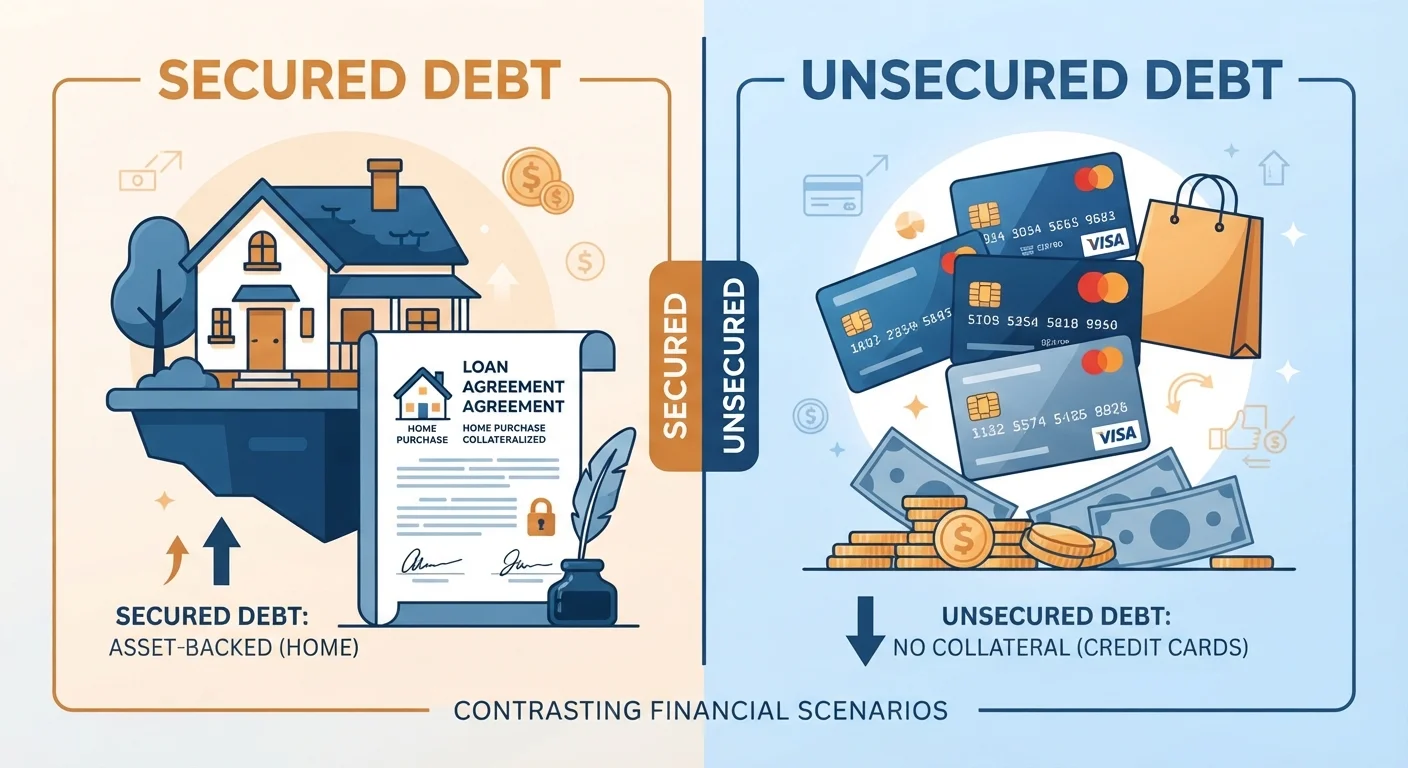
Not all debt carries the same risk if left unpaid. Understanding what's secured against an…
A sinking fund sets aside money gradually for a known future expense, preventing surprise …
A side-by-side look at two popular debt repayment approaches to help you decide which one …
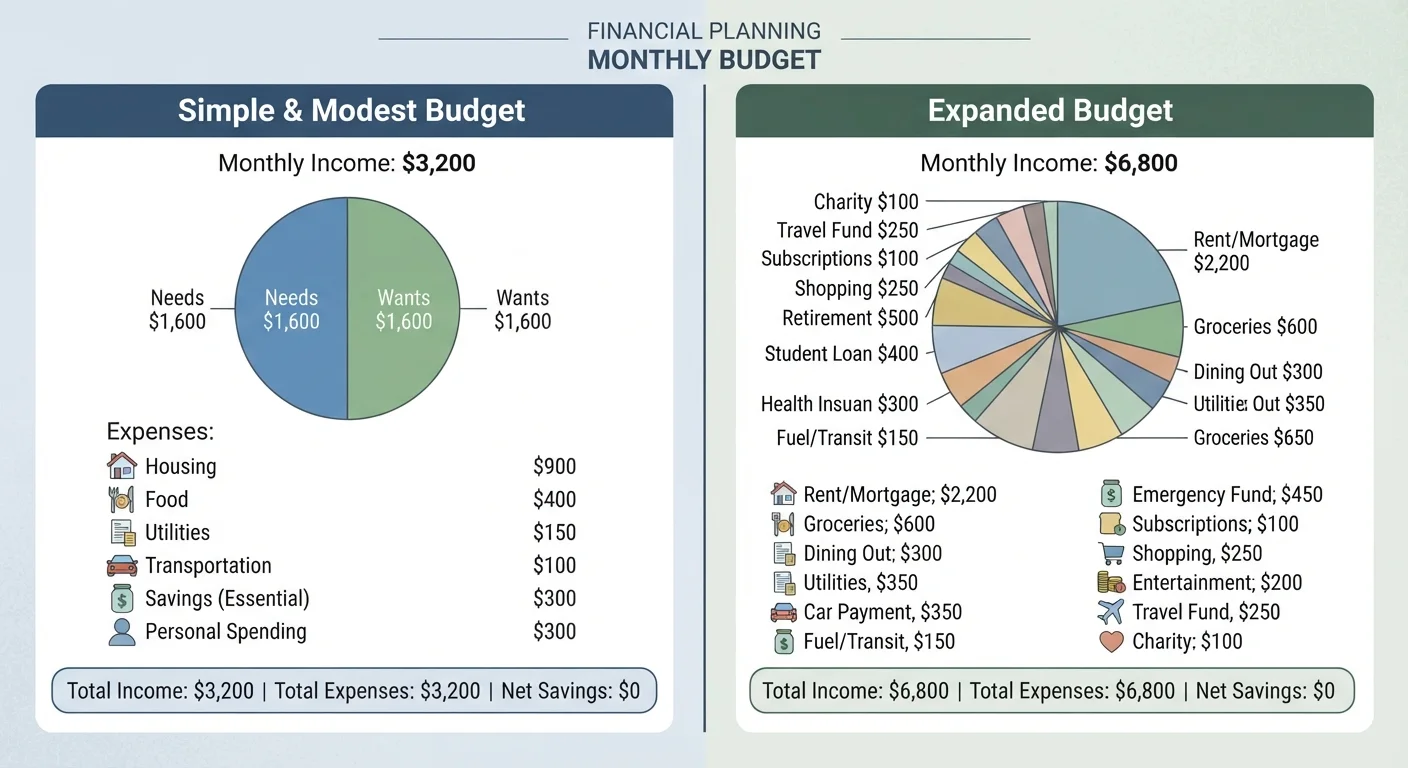
The 50/30/20 rule divides after-tax income into needs, wants, and savings or debt. Learn h…
Compounding interest on debt works against you the same way it works for investors. See ho…
The common "three months" rule is a starting point, not a finish line. Here's what actuall…