
Natural Disasters, Political Unrest, and Travel Disruption: What Travelers Should Know

Key Takeaways
- Register with your government's traveler program before departure so authorities can reach you in a crisis.
- Travel advisories use tiered levels that indicate risk type and severity; check them before and during any trip.
- Travel insurance with evacuation and cancellation coverage can prevent serious financial loss when disruptions occur.
- A written emergency plan with offline contacts and documents gives you options when internet access fails.
- Local news, embassy alerts, and official government apps are the most reliable real-time information sources abroad.
Why disruptions hit travelers harder than locals
When a hurricane, earthquake, or outbreak of civil unrest strikes, local residents draw on years of community knowledge, established social networks, and familiarity with evacuation routes. Travelers have none of that. They may not speak the language, may not know which roads stay passable, and may have no idea which local institution to call first.
This gap is not inevitable. Preparation narrows it significantly, and the steps required are concrete and manageable. The full picture of travel safety planning covers the broader preparation framework; this article focuses specifically on natural disasters, political disruption, and the practical response when conditions deteriorate.
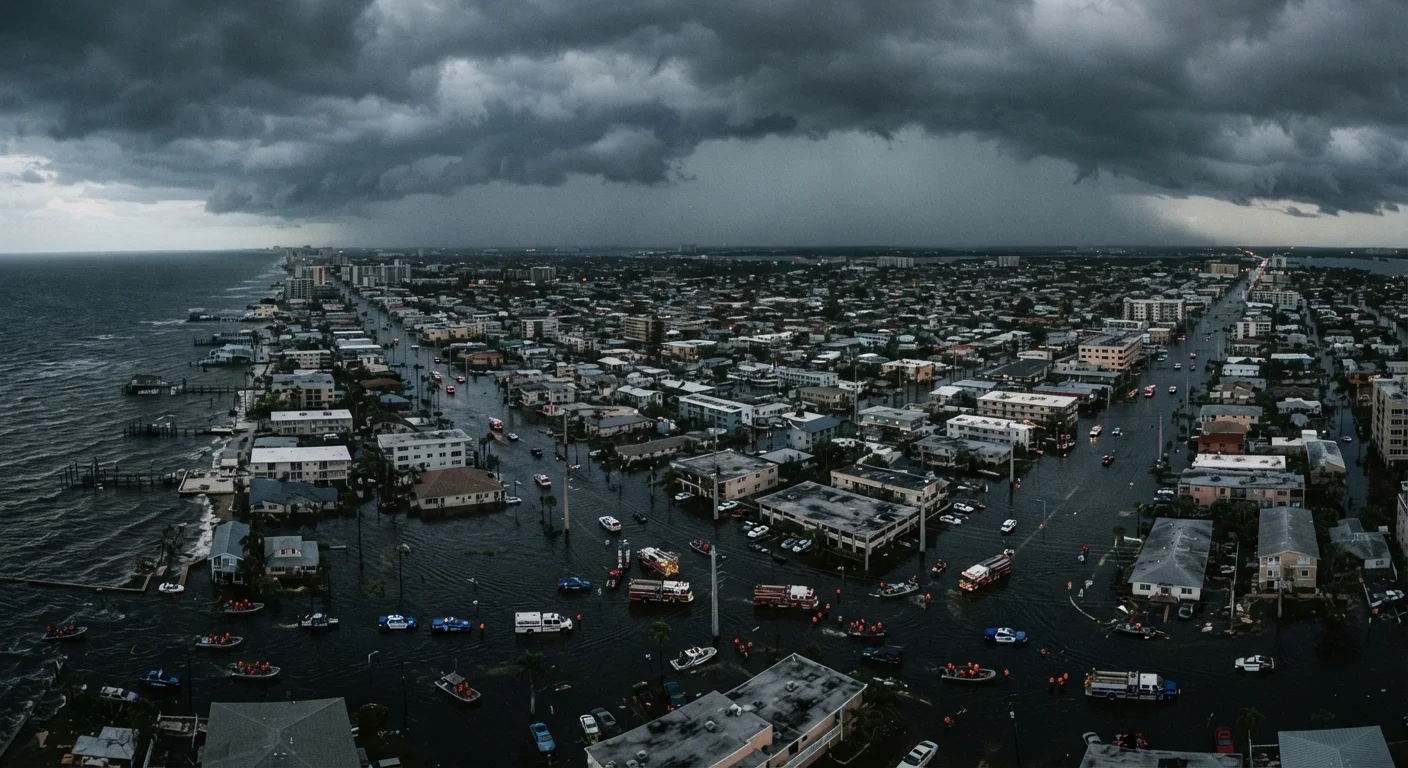
Disruptions fall into a few broad categories: geophysical events (earthquakes, volcanic activity, tsunamis), severe weather (hurricanes, floods, extreme heat or cold), public health events, and human-caused instability (civil unrest, strikes, political crises). Each type has different warning signs and different response windows. A hurricane gives days of notice; an earthquake gives none. Political unrest can build slowly or escalate within hours. Understanding the category of risk your destination carries lets you prepare the right way.
Pre-trip preparation that actually matters
The single most effective thing you can do before leaving is register with your government's official traveler registration program. For U.S. citizens, that is the State Department's Smart Traveler Enrollment Program (STEP), available at step.state.gov. Registration lets the nearest embassy or consulate contact you during an emergency and facilitates evacuation assistance if conditions require it. The emergency contacts and consulate reference explains what STEP provides and how to use embassy resources effectively.
Next, read the current travel advisory for your destination. The U.S. State Department publishes four advisory levels, ranging from normal precautions to "do not travel." These advisories are not blanket warnings; they often specify regions within a country or particular risk types (crime, terrorism, natural disaster vulnerability). How government travel advisories work breaks down what each level means and how to weigh that information alongside other factors.
Register with your government's official traveler enrollment program before every international trip.
Government enrollment programs allow embassies to contact you directly during a crisis and facilitate organized evacuation assistance. Without registration, officials have no way to locate or reach you when communication networks are strained.
Build an offline emergency kit: printed documents, local emergency numbers, and downloaded maps.
Internet access and cell service are among the first things to fail during a large-scale disaster or unrest. A physical backup means you can navigate and communicate even when your phone is dead or networks are overloaded.
Check travel advisories at the time of booking and again within 48 hours of departure.
Advisory levels can change after you book, and a destination that was low-risk months ago may have deteriorated. A final check before departure gives you the most current picture and time to adjust plans if needed.
Purchase travel insurance that explicitly covers medical evacuation, trip interruption, and political evacuation before you leave.
Medical evacuation alone can cost over $100,000 without coverage. Political evacuation is often excluded from basic policies and must be added or selected specifically. Knowing what your policy covers before a crisis is the only time that knowledge is useful.
Identify your nearest embassy or consulate location and contact details as part of pre-trip planning.
During active disruptions, looking up embassy information online is slow and unreliable. Having the address and phone number saved offline and on paper removes a critical point of failure when you need help fastest.
Insurance is a financial safety net that most travelers underestimate. Policies that include trip cancellation, medical evacuation, and travel interruption coverage can cover costs that would otherwise run into tens of thousands of dollars. The financial exposures of traveling without coverage details what is actually at stake. Always read a policy's terms carefully, as coverage for pre-existing conditions, political evacuation, and pandemic-related events varies widely. Consult a licensed insurance professional if you are uncertain about what a policy covers.
What to do when conditions change while you are abroad
When a disruption begins, your first priority is information. Sign up for embassy alerts before you travel so they arrive automatically. Download your government's official travel app and save offline maps of your destination, because cell networks often become congested or fail during large-scale emergencies. Know the address and phone number of your nearest embassy or consulate without relying on internet access to look it up.
If civil unrest breaks out near your location, avoid public gatherings, demonstrations, and any area where crowds are forming, even if the event appears peaceful. Conditions can shift rapidly, and the presence of outside observers can complicate a traveler's ability to leave safely. Move to your accommodation and monitor official sources. Your government's embassy may issue a warden message with specific instructions; follow those rather than social media reports, which are often inaccurate in fast-moving situations.
During a natural disaster, follow the instructions of local authorities first. They have the most current information about evacuation routes, shelter locations, and which roads or bridges are safe. If you are in a coastal area during a tsunami warning, move inland and to higher ground immediately; do not wait to gather belongings. After an earthquake, stay away from damaged structures and be prepared for aftershocks.
Keep a physical copy of your passport, visa, insurance policy number, and emergency contacts in a location separate from your phone. If your phone is lost or your battery dies, that paper record becomes your primary resource. Travelers with specific health needs should also carry documentation of their conditions and medications; the guidance in pre-trip health preparation for travelers with specific needs covers what to bring and how to store it.
Getting home when normal routes are blocked
Flight cancellations, closed borders, and suspended transport links are the most common practical outcomes of a major disruption. Contact your airline directly as soon as disruption is confirmed, because rebooking options often disappear quickly and airlines frequently waive change fees during declared emergencies. Keep your travel insurance policy number accessible so you can file a claim or request evacuation assistance without delay.
If commercial options are suspended, your embassy is the primary resource. Embassies can help citizens identify departure options, connect with chartered transport during organized evacuations, and in extreme cases facilitate repatriation. They cannot pay for your travel, but they can provide the information and contacts needed to arrange it. This is also why STEP registration matters: embassy staff work through their registration lists when reaching out during crises.
For travel with family members, including those with mobility limitations or children, agree on a meeting point before any disruption occurs. Everyone should know the plan independently, without depending on a single group member to communicate it. Families traveling with pets face an additional layer of logistics; the pet emergency preparedness checklist offers a useful framework for thinking through those needs in parallel.
Track your spending during a disruption carefully. Emergency accommodation, last-minute flights, and extended stays create costs that many travelers do not expect. Documenting every expense from the start of the disruption strengthens any subsequent insurance claim and gives you a clear record if you need to dispute charges later. The broader topic of financial exposure during travel is covered in travel insurance and coverage options.
This article is for general informational purposes only. Travel conditions, government advisories, and emergency procedures change frequently. Always verify current information with official government sources and consult a licensed professional for insurance or legal questions specific to your situation.