
Why Travelers Keep Getting Caught Out by Petty Theft (And How Awareness Changes That)

Key Takeaways
- Petty theft follows predictable patterns that travelers can learn to recognize and disrupt.
- Distraction is the most common setup for pickpocketing and bag snatching in tourist areas.
- Where you store valuables matters as much as whether you carry them at all.
- Appearing uncertain or disoriented increases your visibility as a target.
- Simple behavioral adjustments before and during a trip reduce risk significantly.
Why tourists are disproportionately targeted
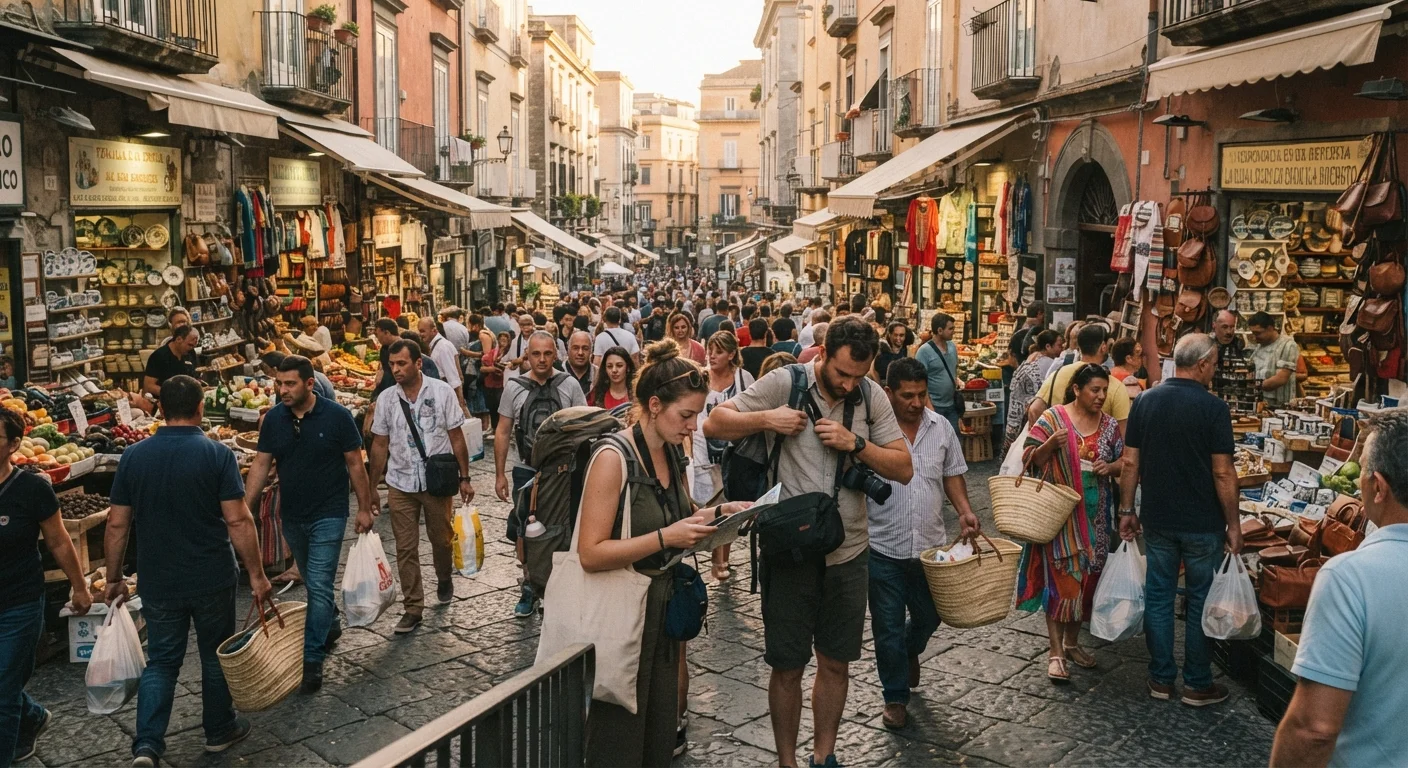
Travelers are not targeted randomly. Opportunistic theft concentrates where people are unfamiliar with their surroundings, carrying valuables they need immediate access to, and visibly distracted by navigation, photography, or conversation. Tourist zones combine all three conditions at once.
The issue is not destination choice alone. Even low-crime cities have pockets where predictable tourist behavior creates consistent opportunities. Understanding what makes someone a readable target is the first step toward changing the pattern. For broader context on what travel costs you may not have planned for, see the hidden costs of popular tourist destinations.
Keeping all valuables in one place, typically a single wallet or bag.
Why it happens: Convenience drives consolidation. Travelers want everything accessible, so they put cards, cash, ID, and phone together in one spot.
Using a backpack as a primary valuables carrier in crowded spaces.
Why it happens: Backpacks feel secure because they are on your body, but they sit behind you where you cannot see or feel minor interference.
Displaying phones, cameras, or cash openly in high-traffic areas.
Why it happens: Tourists naturally take photos, check directions, and handle payment in public, which requires bringing devices and money out repeatedly.
Engaging with strangers who initiate unexpected physical contact or create a distraction.
Why it happens: Travelers are often in a relaxed, social mindset and respond politely to approaches. Many distraction setups feel like a genuine interaction until after the theft.
Leaving bags unattended or loosely placed at restaurants and cafes.
Why it happens: Sitting down to eat creates a mental shift toward comfort. Bags get placed on chair backs, floors near feet, or empty seats without much thought.
Looking visibly lost or uncertain in unfamiliar areas.
Why it happens: Orientation takes time in a new place, and travelers often stop, look around, or consult maps openly, which marks them as unfamiliar with the area.
Behavioral adjustments that reduce exposure
Most effective theft prevention happens before the moment of risk, not during it. Splitting cash and cards across two separate locations means a single loss does not empty your wallet entirely. Keeping your phone in a front pocket rather than a back pocket or open bag removes one of the most common grab targets.
Body language also matters. Walking with a general sense of direction, even when you are checking a map, signals less vulnerability than stopping in a high-traffic area with your phone raised and your bag unattended at your side. Thieves operating in tourist areas are experienced at reading hesitation.
Distraction setups are rehearsed and fast
The most common pickpocketing technique involves one person creating a diversion, such as bumping into you, pointing at something, or asking for directions, while another person accesses your bag or pocket. The whole interaction can take under ten seconds. If a situation feels engineered to hold your attention, treat that instinct as a signal to step back and check your belongings.
For more on protecting the specific documents and payment methods you carry, securing your passport, cards, and cash in transit covers practical storage strategies worth reviewing before your trip. If something is stolen despite precautions, the financial fallout depends heavily on whether you have travel coverage in place. traveling without insurance carries more risk than most people expect, including for theft-related losses.
Public Wi-Fi checkouts at cafes and transit hubs also expose card details and login credentials. staying safe on public Wi-Fi while traveling explains which precautions matter most in those situations.