

Key Takeaways
- A PPI covers structural integrity, mechanical systems, and electronic components that a visual check will miss.
- The inspection is paid for by the buyer and typically costs between $100 and $200 at an independent shop.
- Findings from a PPI can support price negotiation or give a clear reason to walk away from a deal.
- Skipping a PPI on a private-sale vehicle carries more risk than skipping one on a certified pre-owned car, though neither scenario is without uncertainty.
- A vehicle history report and a PPI are complementary tools; one shows what happened, the other shows current condition.
Pre-purchase inspection (PPI)
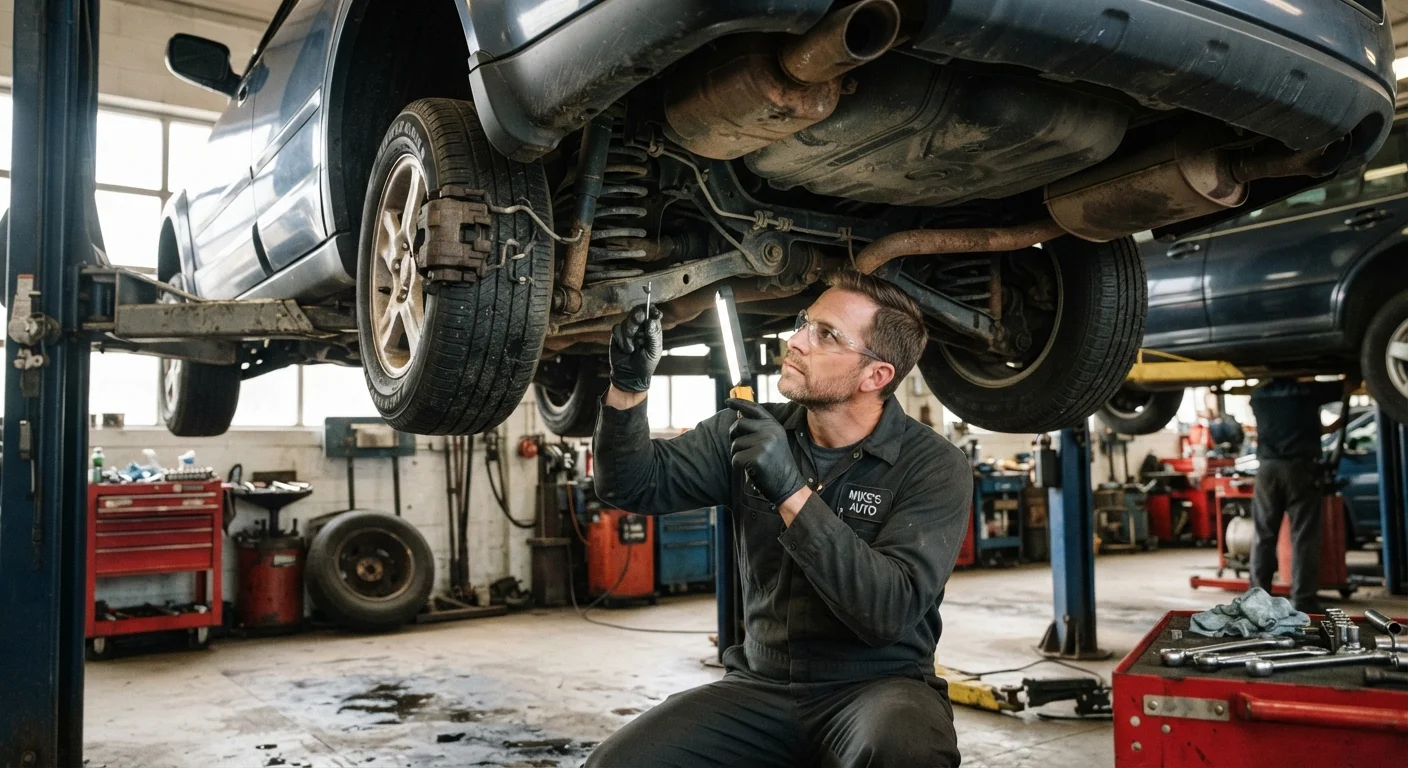
A pre-purchase inspection is an independent mechanical evaluation of a used vehicle, carried out by a qualified mechanic before the sale is finalised. The mechanic examines the car's condition across multiple systems and provides a written report of findings. The goal is to surface problems that are not visible during a test drive or a casual walkaround.
A PPI is distinct from a state safety inspection or emissions test. It is a buyer-initiated, fee-for-service evaluation with no regulatory function.
What a pre-purchase inspection actually examines
A qualified mechanic works through the vehicle systematically rather than spot-checking obvious problems. The inspection typically covers four broad areas.
Structural and body condition: The mechanic checks for frame damage, signs of prior collision repair, misaligned body panels, and evidence of flood or fire exposure. Rust is assessed both on visible surfaces and underneath the vehicle on a lift.
Mechanical systems: This includes the engine (oil condition, leaks, unusual noises under load), transmission, brakes, suspension, steering, and exhaust. The mechanic checks fluid levels and condition across all systems, not just the engine.
Electrical and electronic systems: Modern vehicles have dozens of control modules. A diagnostic scan retrieves stored fault codes, including codes that have been cleared recently but may indicate a recurring issue. Lights, windows, climate control, and safety systems such as ABS and airbag readiness are checked.
Tyres and wheels: Tread depth, uneven wear patterns (which can signal alignment or suspension issues), and the condition of wheels and wheel bearings are all part of a thorough inspection.
The mechanic also takes the vehicle on a test drive to assess drivability under normal conditions. The written report documents every finding with a severity assessment, giving you a clear picture of what needs attention now versus what can wait.
Choose your mechanic before you need one
Identify an independent shop you trust before you start shopping for a vehicle. When you find a car worth pursuing, you can schedule the inspection quickly without having to research mechanics under time pressure. Give the shop the vehicle's year, make, and model in advance so they can allocate the right time and equipment.
What the report does not guarantee
A PPI is a point-in-time assessment. It cannot predict future failures or surface intermittent problems that are not active on the day of inspection. Sealed components, such as automatic transmission internals, are not disassembled during a standard inspection. The mechanic works from what is accessible and observable.
The report also reflects the mechanic's experience and equipment. A shop without a lift will not assess the undercarriage as thoroughly. A general mechanic may miss model-specific issues that a specialist would catch. For vehicles with known reliability patterns in specific systems, choosing a mechanic familiar with that make can improve the inspection's depth.
A PPI is one layer of due diligence. Pairing it with a vehicle history report gives you documented history alongside current condition, which together present a more complete picture than either does alone.
The financial logic of paying for an inspection
A PPI typically costs $100 to $200. On a $15,000 used vehicle, that is roughly one percent of the purchase price for an independent assessment of what you are actually buying. If the inspection reveals $2,000 in deferred maintenance or a structural issue that changes the vehicle's value, the fee pays for itself directly.
Findings from the report also give you factual grounds for negotiation. A written repair estimate attached to specific inspection findings is a more concrete negotiating tool than a general request for a discount. Some buyers use the inspection proactively: they present the report to the seller and propose a price adjustment equal to the cost of the identified repairs.
If you are financing the purchase, the inspection matters for another reason. An auto loan ties you to the vehicle for years. A mechanical problem that surfaces after closing is your financial responsibility, regardless of what the seller knew or disclosed. The financial impact of an unexpected repair on a tight budget can be significant, and a PPI is one practical way to reduce that exposure.
When the risk of skipping is highest
Private-sale vehicles carry more inspection risk than dealer sales because private sellers have fewer disclosure obligations and no reconditioning process. If you are buying from an individual, the PPI is the only independent check on the vehicle's condition you are likely to get.
Vehicles sold at auction present a different challenge. Many auction formats do not permit pre-sale inspections, which is one reason auction purchases tend to attract experienced buyers who accept higher uncertainty. The auction buying process and its associated risks are worth understanding before committing to that route.
High-mileage vehicles and those outside a manufacturer warranty also warrant closer scrutiny. When no warranty backstop exists, the buyer absorbs the full cost of any problem the inspection misses or that develops shortly after purchase.
Skipping the inspection to avoid the fee or to speed up a deal that feels urgent is a decision that transfers risk entirely to the buyer. The seller's asking price does not account for problems the seller may not even know exist.