

Key Takeaways
- Document the scene thoroughly before moving vehicles or exchanging summaries of fault.
- Notify your insurer promptly; most policies require contact within a specific window.
- Avoid admitting fault at the scene, even if you feel responsible.
- Keep a written log of every call, email, and claim decision from your insurer.
- Your policy documents determine what you can claim, so read them before you file.
- If your claim is denied, a formal appeal process exists and is worth pursuing.
What you will need
Why the claims process trips up so many drivers
Most drivers file a claim only a handful of times in their lives. The process is unfamiliar, often stressful, and full of decisions that can reduce a payout or raise future premiums if handled poorly. The good news is that most mistakes are avoidable once you understand how insurers evaluate claims.
Insurers assess three things: what happened, who was liable, and how much the damage is worth. Your job throughout the process is to supply accurate, well-documented information on all three points, without overstating or speculating. The most common mistakes that void a claim, from admitting fault prematurely to delaying notification, almost always come from not knowing the rules in advance.
If you are in a no-fault state, the process has an additional layer. Your own insurer pays your medical costs regardless of who caused the crash. See how no-fault insurance states change what you can claim for a full breakdown of how those rules affect your coverage.
Smartphone camera
Photographs and video of vehicle damage, road conditions, and the surrounding scene.
Auto insurance policy documents
Confirms your coverage types, deductibles, and notification deadlines before you file.
Claims log or notebook
Records dates, representative names, and content of every insurer communication.
Police report copy
Provides an official account of the incident; insurers often request it during review.
Step-by-step: filing your claim correctly
What you will need
Secure the scene and call for help if needed
If the collision is serious, call 911 before anything else. Move vehicles out of live traffic only when it is safe to do so, and turn on hazard lights. Check whether anyone needs medical attention. If police respond, get the report number before they leave; your insurer may request it.
Document everything before you leave
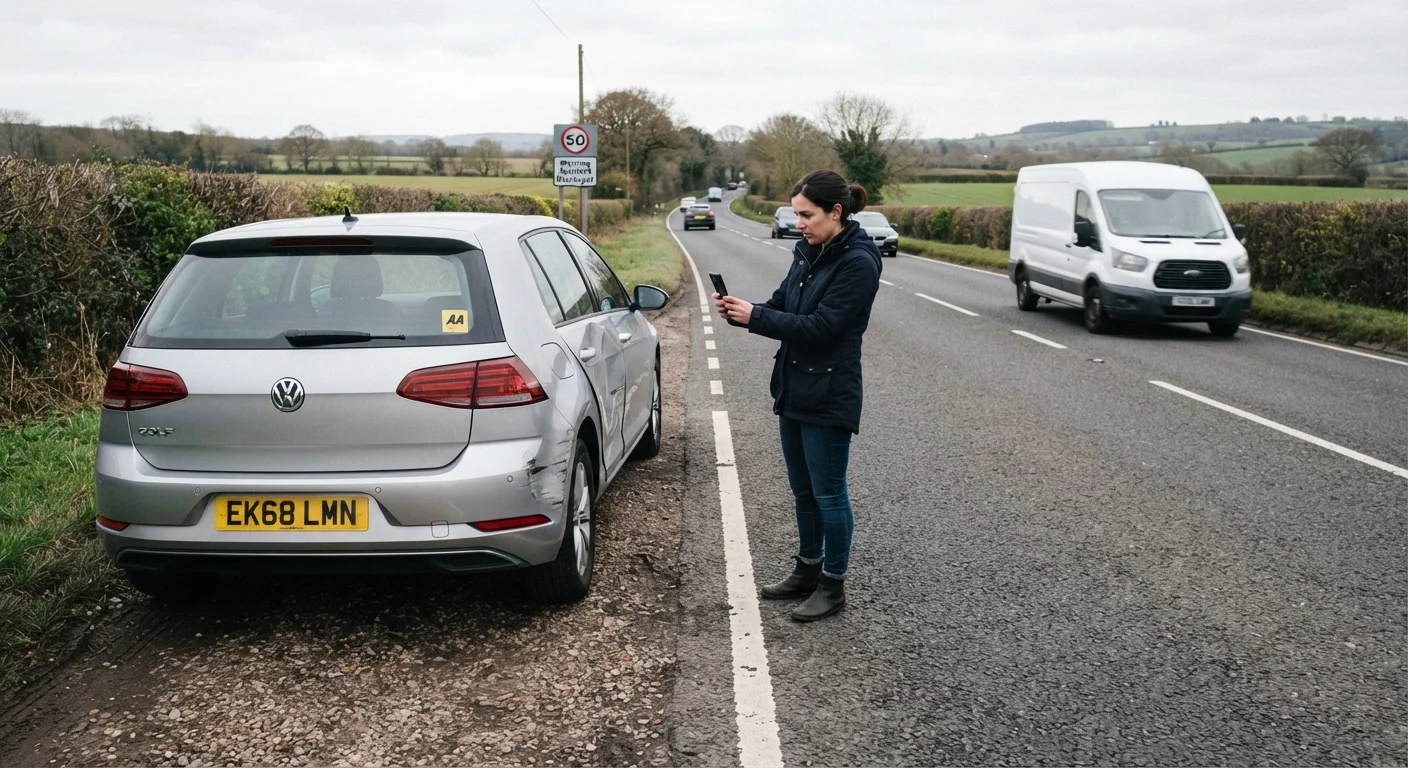
Photograph all vehicles involved from multiple angles, capturing damage, license plates, and the broader road environment. Record skid marks, traffic signals, weather conditions, and any relevant signage. If there are witnesses, ask for their names and phone numbers. Write down the other driver's name, license number, insurer, and policy number.
Review your policy before contacting your insurer
Pull up your declarations page and locate your coverage types, deductibles, and notification requirements. Some policies require contact within 24 hours; others allow longer windows. Knowing your deductible also helps you decide whether a minor repair is worth claiming at all, since filing can affect your premium at renewal.
Notify your insurer and open the claim
Contact your insurer through the method specified in your policy, whether that is a phone hotline, a mobile app, or an online portal. Give a factual account of what happened: the date, time, location, vehicles involved, and what damage you observed. Avoid speculating about fault or describing injuries beyond what you know for certain.
Cooperate with the adjuster's inspection
Your insurer will assign a claims adjuster to assess the damage. This may happen in person at a repair shop, through a virtual inspection using photos you submit, or both. Be available and responsive. Provide only factual information, and do not authorize repairs before the adjuster completes the assessment, unless your policy specifically allows it for safety reasons.
Track all communications and decisions
Keep a written log of every phone call with your insurer: the date, the name of the representative, and a summary of what was discussed. Save all emails and letters. If a decision is made verbally, follow up in writing to confirm it. This record matters if a dispute arises or if you need to appeal a denial. For a broader view of how claim denials work and what to do, see how to respond when a claim is denied.
Understand the settlement offer before accepting
Once the insurer issues a settlement figure, review it against your own repair estimates and the actual cash value of your vehicle if it is declared a total loss. You are not required to accept the first offer. If the amount seems low, ask the adjuster to explain the calculation in writing, then submit any documentation that supports a higher figure.
This article is for general informational purposes only and does not constitute personalized insurance, financial, or legal advice. Coverage terms, exclusions, and claim procedures vary by policy and by state. Read your actual policy documents and consult a licensed insurance agent or attorney for guidance specific to your situation.