

Key Takeaways
- Annual exams can catch problems like early kidney disease or heart murmurs before visible symptoms appear.
- Vets can only act on what owners report; noting behavioral changes at home is as useful as any test.
- Dental disease is the most commonly missed condition at home, yet it is examined at every wellness visit.
- Vaccine and parasite prevention needs change as pets age and their lifestyle changes, so an annual review matters.
- Bringing a written list of observations and a recent stool sample makes the appointment significantly more productive.
More than a routine vaccine visit
For many pet owners, the annual vet visit feels like an obligation: show up, get the shots, go home. In practice, it is one of the few times a trained clinician can build a physical baseline for your animal and compare it against previous years. A single visit to a sick-pet appointment rarely gives a vet that longitudinal view.
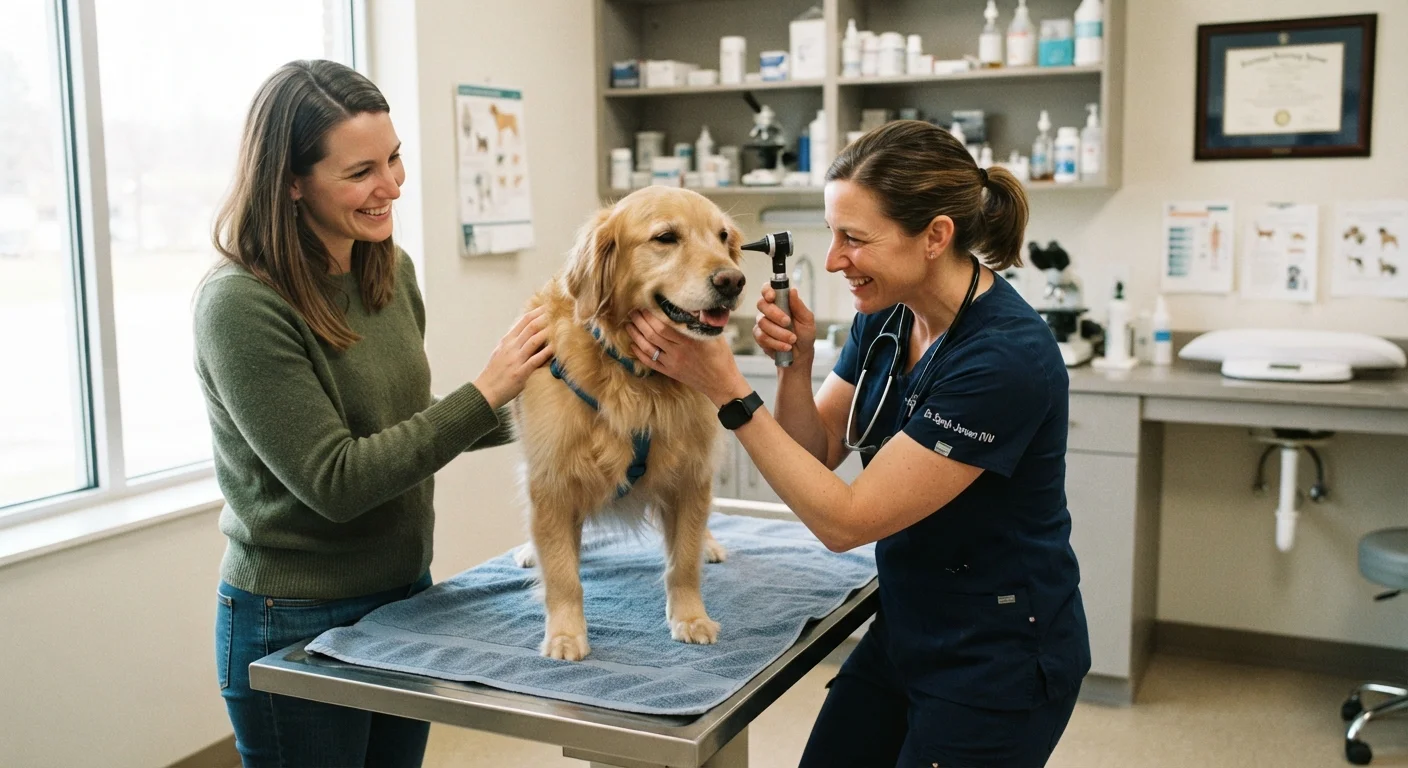
Veterinarians conduct a head-to-tail physical exam at every wellness visit, checking lymph nodes, heart and lung sounds, eye and ear health, skin and coat condition, joint mobility, and abdominal organs, among other things. Many findings, including early heart murmurs, subtle weight loss, or a small lump, produce no symptoms an owner would notice. Catching them early typically gives more treatment options. This article covers what vets are looking for, and what you can do before and during the appointment to make the visit count. This article is for general educational purposes and does not constitute veterinary medical advice. Always consult a licensed veterinarian for guidance specific to your pet.
Practices that make annual exams more effective
The quality of a wellness visit depends on both sides of the exam table. Vets bring the clinical knowledge; owners bring the daily observations that no test can replicate. The practices below apply to most dogs and cats, though your vet can tell you which matter most for your specific animal.
Write down behavioral observations at home before the appointment
Vets have roughly 20 to 30 minutes per wellness visit and cannot observe your pet across daily routines. A brief written list of changes, however small they seem, gives the vet information that no physical exam can produce.
Bring a fresh stool sample, even if the clinic has not specifically requested one
Intestinal parasites are common and often produce no visible symptoms. A fecal test is the only reliable way to detect them, and it cannot be done without a sample.
Ask your vet to review your pet's weight trend across multiple visits
A single weight reading tells you little. Comparing weights over time reveals slow gain or loss that is clinically meaningful but easy to miss when you see your pet every day.
Request a specific dental assessment and ask whether professional cleaning is warranted
Dental disease affects a large proportion of adult pets and is rarely obvious to owners until it is advanced. Catching it at the gum-inflammation stage is less invasive and less costly than treating tooth-root infection.
Confirm that your parasite prevention plan matches your pet's current lifestyle and region
A protocol that worked when your dog rarely left the backyard may not be adequate after a move to a tick-heavy area or a shift to frequent hiking. Parasite risks are geographic and seasonal.
For more on how health needs shift across your pet's life, see our lifecycle guide to preventive care. And if you want a broader look at how vaccine schedules are structured, that article explains the difference between core and non-core vaccines in plain terms.
What to bring and what to say
Arrive with a short written list of anything you have noticed since the last visit: changes in water intake, appetite, sleep patterns, mobility, or behavior. Vets rely on owner reports for these details because they cannot observe your pet at home. A note that says 'seems to drink more water than usual' can prompt kidney or thyroid screening that would otherwise wait until symptoms are obvious.
Bring a fresh stool sample in a sealed container. Many clinics request one, and it allows parasite testing that a physical exam alone cannot provide. Parasite prevention programmes vary by region and season, so the annual visit is also a good time to confirm that your current approach covers the parasites common in your area. Our overview of parasite prevention covers what each type involves.
Ask specifically about dental health. Periodontal disease is common in both dogs and cats, often progresses without obvious signs at home, and connects to systemic health issues when left untreated. If your vet finds early tartar buildup or gum inflammation, that finding is far more actionable than waiting for pain signals. You can also read about how vets assess pain in animals to understand why discomfort is often invisible until it is significant.
Finally, ask your vet to walk you through your pet's weight trend across visits, not just the number on the scale today. Gradual weight change over months is one of the earliest signals of metabolic or dental problems, and it is only visible when someone is tracking it visit to visit.