

Key Takeaways
- Chronic inflammation differs fundamentally from acute inflammation, which is a short-term, protective response.
- It can persist for years without obvious symptoms, making it difficult to detect early.
- Lifestyle factors such as diet, sleep, physical activity, and smoking all influence chronic inflammation levels.
- Multiple serious conditions, including cardiovascular disease and type 2 diabetes, are associated with chronic inflammation.
- A healthcare provider can run blood tests to check for inflammation markers if you have concerns.
Chronic inflammation
Chronic inflammation is the body's immune system staying in a low-grade activated state for months or years, long after any obvious injury or infection has passed. Unlike the short, useful response that heals a cut or fights a cold, this persistent activation gradually damages healthy tissues. It has been linked to a wide range of serious conditions, including heart disease, type 2 diabetes, and certain cancers.
At the cellular level, chronically elevated levels of pro-inflammatory cytokines (signaling proteins such as interleukin-6 and tumor necrosis factor-alpha) are what researchers measure to assess systemic inflammation.
The difference between helpful and harmful inflammation
Inflammation is not inherently dangerous. When you sprain an ankle, the redness, swelling, and warmth that follow are your immune system deploying resources to protect and repair tissue. This is acute inflammation doing exactly what it should. It arrives quickly and, once the threat resolves, it subsides.
Chronic inflammation follows a different pattern. The immune system remains switched on at a low level, releasing inflammatory proteins into the bloodstream continuously. There may be no injury, no infection, and often no dramatic symptoms. The process is quiet, which is part of what makes it consequential over time.
Researchers measure this state using blood markers. A high-sensitivity C-reactive protein (hs-CRP) test and erythrocyte sedimentation rate (ESR) are two commonly used tools. Elevated readings can flag systemic inflammation even before a person feels unwell, which is why these tests are sometimes included in routine cardiovascular risk assessments.
What drives chronic inflammation
Several well-documented factors push the immune system toward a persistent activated state. Excess body fat, particularly visceral fat stored around the abdomen, is metabolically active and releases pro-inflammatory signaling proteins called cytokines. Smoking introduces compounds that trigger and sustain immune responses in lung tissue and throughout the body.
Poor sleep is another documented contributor. Studies have found that sleep restriction raises levels of inflammatory markers, even over short periods. Chronic psychological stress activates the hypothalamic-pituitary-adrenal axis; prolonged activation can erode the body's normal anti-inflammatory controls.
Diet also plays a documented role. Diets heavy in ultra-processed foods, refined sugars, and certain types of saturated fat have been associated with higher inflammation markers in population research. By contrast, patterns such as the Mediterranean diet (which emphasizes vegetables, legumes, fish, and olive oil) are consistently associated with lower inflammatory markers in observational data.
Correlation versus causation in inflammation research
Much of what we know about chronic inflammation and disease comes from observational and epidemiological studies, which identify associations rather than proving direct cause and effect. Researchers are still working to establish which inflammatory pathways drive specific diseases and which are byproducts. This means the field is evolving, and some conclusions that appear well-supported today may be refined as more evidence emerges.
How long-term inflammation affects body systems
Cardiovascular disease is one of the most studied consequences. Chronic inflammation contributes to atherosclerosis, the process by which plaques build up inside artery walls. These plaques are partly composed of immune cells that migrated into artery walls in response to ongoing inflammatory signals. When a plaque ruptures, it can trigger a heart attack or stroke.
In metabolic health, persistent inflammation is associated with insulin resistance, a state in which cells respond poorly to insulin. This is a major factor in the development of type 2 diabetes. Inflammatory cytokines appear to interfere with insulin signaling pathways, making it harder for cells to absorb glucose normally.
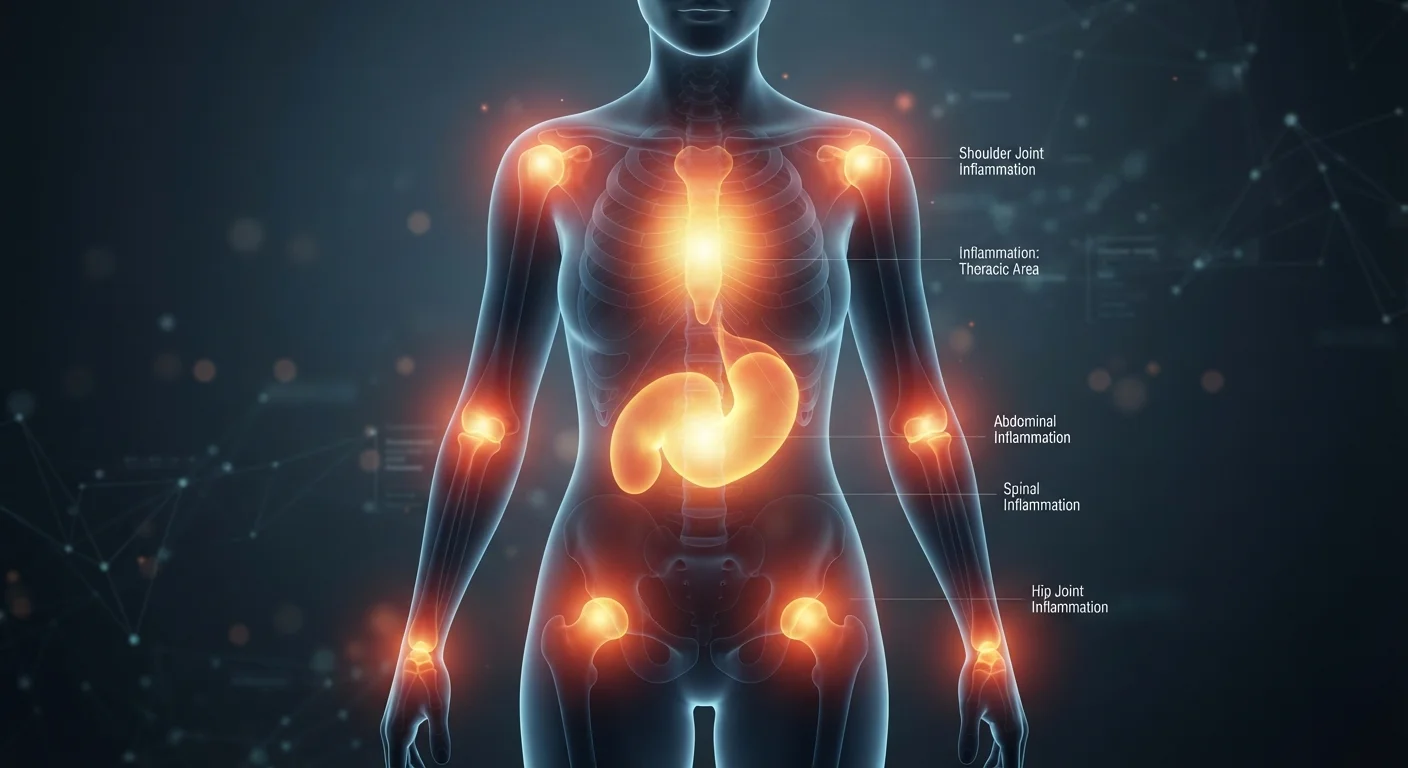
Joints are not spared. While rheumatoid arthritis is a distinct autoimmune condition, even general systemic inflammation can worsen joint discomfort and accelerate cartilage degradation over years.
There is also a growing body of research examining the relationship between chronic inflammation and brain health. Neuroinflammation is being studied in relation to conditions including depression and Alzheimer's disease, though the precise causal pathways are still under investigation. This is an area of active science, not settled consensus.
What the evidence says about reducing inflammation
No single food or supplement eliminates chronic inflammation, despite what some marketing claims suggest. The evidence points toward consistent, broad lifestyle patterns rather than individual interventions.
Regular moderate physical activity has been shown in multiple studies to lower hs-CRP levels. Resistance training and aerobic exercise both appear to contribute. Sleep quality and duration also show a dose-response relationship with inflammatory markers: consistently poor sleep tends to track with higher levels.
For diet, the clearest evidence supports eating patterns rich in fiber, antioxidants, and omega-3 fatty acids, while limiting ultra-processed foods and excess added sugar. These are population-level observations, not individual prescriptions, and what works well for one person's circumstances may need adjustment for another.
Smoking cessation is one of the highest-impact changes a person can make. The inflammatory burden of smoking is substantial and measurable, and it compounds over time.
Anyone concerned about their inflammation levels or overall disease risk should speak with a healthcare provider. Blood tests can provide a clearer picture, and a clinician can help interpret results in the context of individual history and risk factors.
This article is for general informational purposes only and is not a substitute for professional medical advice, diagnosis, or treatment. Always consult a qualified healthcare provider with questions about your health or any medical condition.