
Mental Health Conditions and Physical Illness: The Two-Way Relationship Most People Miss

Key Takeaways
- Depression is independently associated with worse outcomes in heart disease, diabetes, and stroke.
- Chronic physical illness raises the statistical likelihood of developing anxiety or depression.
- Biological pathways including cortisol, inflammation, and the autonomic nervous system link mental and physical states.
- Integrated care that addresses both dimensions tends to produce better outcomes than treating each in isolation.
- Recognizing this connection can reduce the stigma that still causes people to delay seeking mental health support.
Mind-body connection
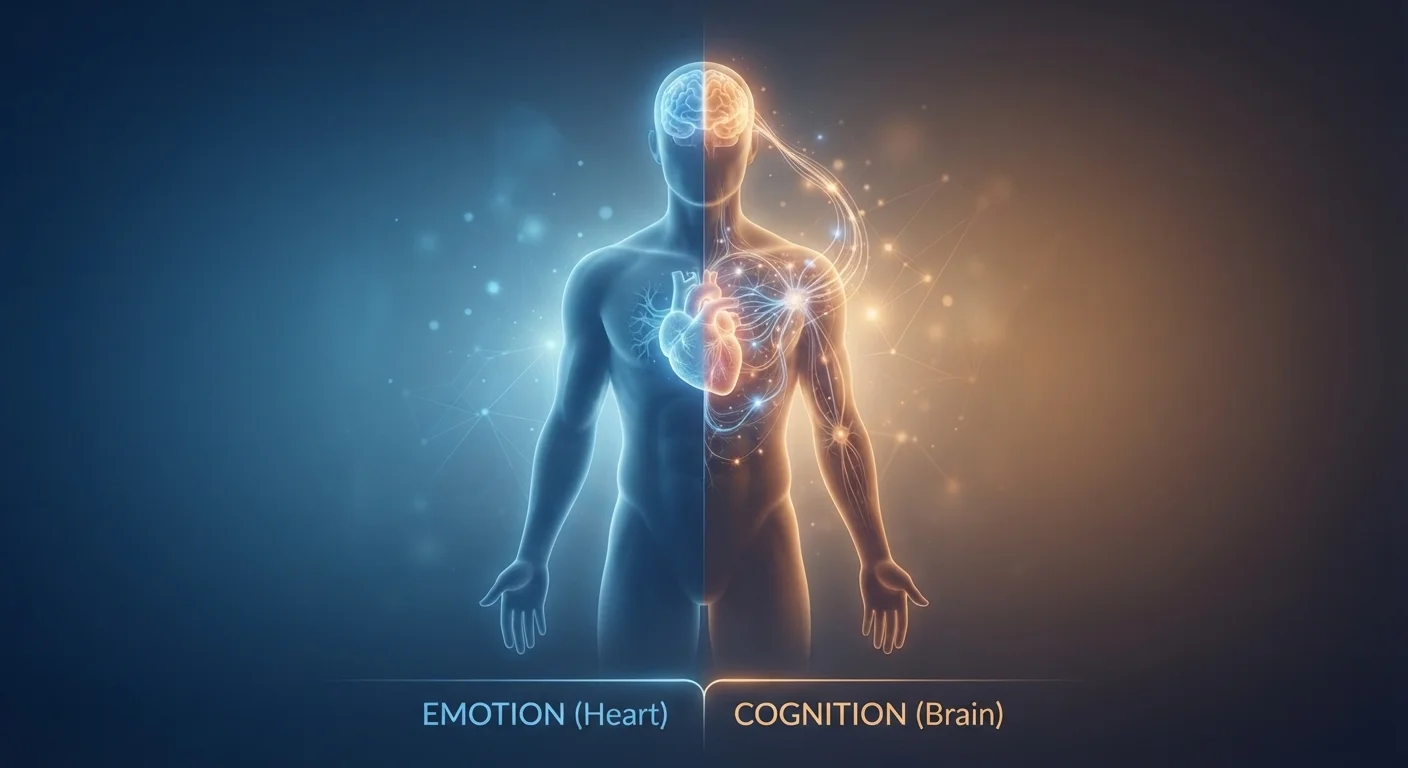
The mind-body connection refers to the ways mental and physical health continuously influence each other. A mental health condition can alter biological processes that affect physical organs, and a physical illness can trigger or worsen psychological symptoms. This relationship runs in both directions, meaning neither dimension of health can be fully understood without considering the other.
Researchers study this through psychoneuroimmunology, a field examining how psychological states interact with the nervous system, hormonal pathways, and immune function.
How the relationship actually works
Most people understand, in a general way, that stress can make them feel physically unwell. What is less widely understood is that this connection operates through specific, measurable biological mechanisms, and that it flows in both directions with real clinical consequences.
When the brain perceives threat or sustained psychological distress, it activates the hypothalamic-pituitary-adrenal (HPA) axis, releasing cortisol and other stress hormones. Short-term, this is adaptive. Over months or years, chronically elevated cortisol disrupts immune function, promotes systemic inflammation, and affects cardiovascular regulation. Those are not vague effects; they are mechanisms that alter how physical organs perform.
The autonomic nervous system adds another channel. Anxiety and depression shift the balance between sympathetic (fight-or-flight) and parasympathetic (rest-and-digest) activity. Prolonged sympathetic dominance raises blood pressure, increases heart rate variability in unhealthy ways, and has been linked to greater cardiac risk. For more on how suppressed emotional states surface through physical symptoms, see how unexpressed emotions affect the body.
This is not about 'thinking yourself well'
Acknowledging the mind-body connection is sometimes misread as suggesting that mental attitude alone can cure physical illness, or that people cause their own conditions through negative thinking. That is not what the evidence supports. The relationship involves biology, not willpower. Recognizing the connection helps explain why comprehensive care works better, not why people should blame themselves for being unwell.
When mental health conditions affect physical outcomes
Depression and anxiety are not only psychological experiences. They change physiology in ways that matter for physical health.
People with depression have measurably higher levels of pro-inflammatory cytokines, proteins the immune system uses to signal inflammation. Chronic low-grade inflammation is a contributing factor in heart disease, type 2 diabetes, and certain autoimmune conditions. The American Heart Association has formally acknowledged depression as a risk factor for adverse cardiac outcomes, not merely a complication of cardiac events.
Behavioral changes compound these biological effects. Depression reduces motivation to exercise, disrupts sleep, and makes it harder to follow medical treatment plans. Each of those behaviors has its own downstream effect on physical health. Poor sleep feeds chronic conditions through pathways that overlap substantially with those of depression itself.
Anxiety disorders similarly affect physical health through sustained sympathetic nervous system activation. Chronic anxiety is associated with increased risk of hypertension, irritable bowel syndrome, and tension-related musculoskeletal pain.
When physical illness raises mental health risk
The direction also runs the other way. A serious or chronic physical diagnosis frequently precedes the onset of depression or anxiety.
Chronic pain is one of the clearest examples. Persistent pain alters brain chemistry, specifically dopaminergic and serotonergic pathways involved in mood regulation. Roughly one in three people with chronic pain conditions also meet diagnostic criteria for depression, according to data cited in pain medicine literature. The pain does not simply make people feel sad; it changes the neurochemical environment in which mood is regulated.
Inflammatory diseases such as rheumatoid arthritis and multiple sclerosis carry elevated rates of depression that appear partly attributable to the inflammatory processes themselves, not only to the psychological burden of diagnosis. Cytokines that drive physical inflammation can cross the blood-brain barrier and affect neurotransmitter production directly.
People managing multiple physical conditions face compounding risk. Managing one chronic condition often affects others, and the mental health toll of navigating overlapping diagnoses deserves the same clinical attention as the physical conditions themselves.
Bring up both concerns at appointments
If you are managing a chronic physical condition and also experiencing persistent low mood or anxiety, mention both to your doctor. Many primary care providers can screen for depression and anxiety and coordinate referrals. Keeping the two conversations separate often means one goes unaddressed.
What whole-person care looks like in practice
Recognizing this two-way relationship has practical implications for how care is delivered and how people approach their own health.
Clinically, integrated models that screen for and treat mental health conditions alongside physical illness show better outcomes in conditions such as diabetes and coronary artery disease. When a person with heart disease also receives treatment for depression, adherence to cardiac rehabilitation, medication, and lifestyle recommendations tends to improve. The mental health intervention does not replace the physical treatment; both contribute.
For individuals, the implication is that mental health support is not separate from managing physical wellness. Addressing anxiety or depression through therapy, medication when appropriate, or structured support is a legitimate part of physical health management, not an add-on or a luxury. Mental wellness resources cover practical tools for this. Connecting with others is also relevant: strong relationships provide measurable mental health support, which in turn supports physical health through the same pathways described above.
If you or someone you know is managing a chronic condition alongside mental health concerns, discussing both with a qualified healthcare professional is the appropriate first step. General information about the mind-body link cannot substitute for individualized clinical assessment.
This article is for informational purposes only and is not medical advice. Always consult a qualified healthcare professional about your personal health circumstances.