
High Blood Pressure Numbers Explained: What Systolic and Diastolic Really Mean

Key Takeaways
- Systolic pressure is the force during a heartbeat; diastolic is the pressure at rest between beats.
- Normal blood pressure for most adults is below 120/80 mmHg, according to major cardiology guidelines.
- Stage 1 hypertension begins at 130/80 mmHg and warrants a conversation with a healthcare provider.
- Pulse pressure, the gap between the two numbers, can signal cardiovascular risk on its own.
- A single elevated reading does not confirm high blood pressure; patterns over time matter most.
Blood pressure reading
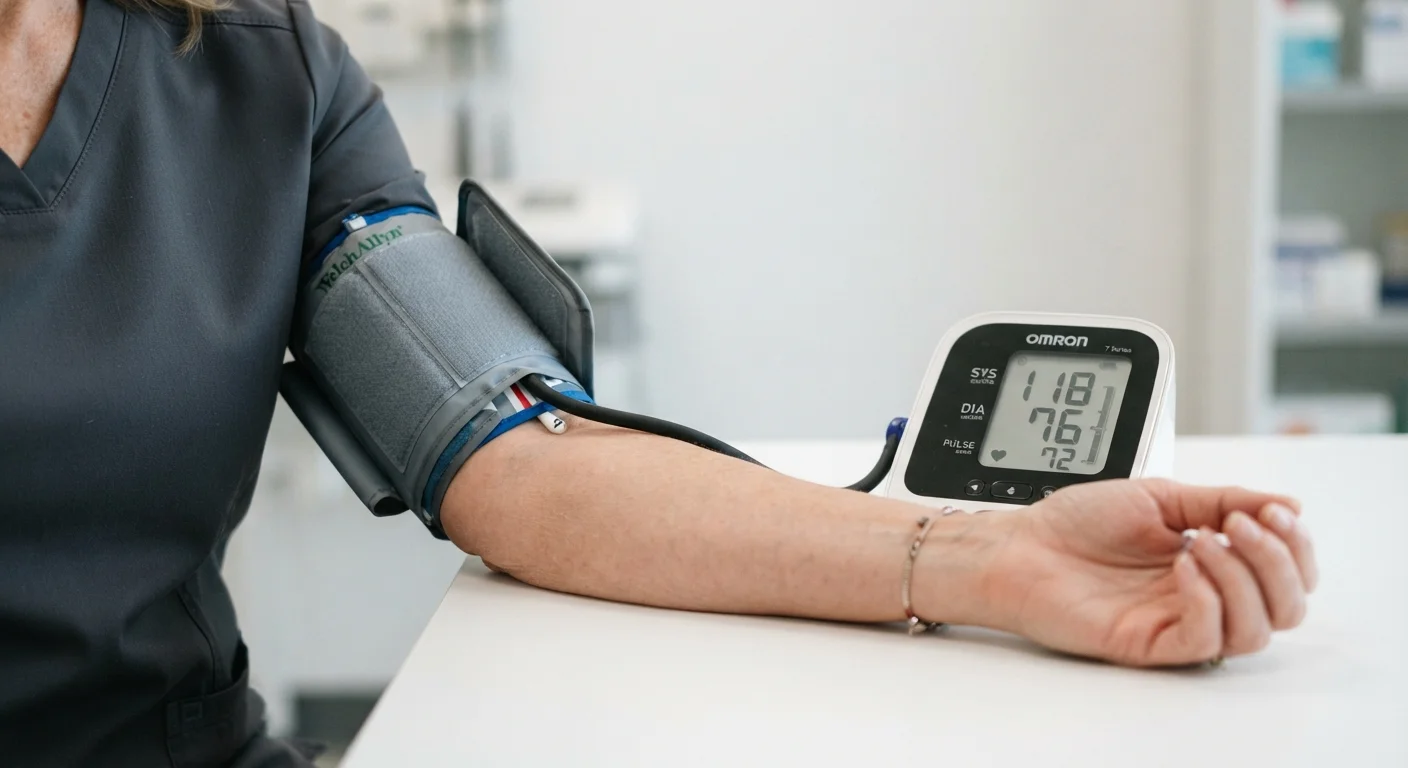
A blood pressure reading is two numbers written one over the other, such as 120/80. The top number (systolic) measures the force your heart exerts when it beats and pumps blood out. The bottom number (diastolic) measures the pressure in your arteries when your heart rests between beats.
Both numbers are measured in millimeters of mercury (mmHg). Clinicians assess them together, because each number independently carries diagnostic weight.
The two numbers and what they each measure
When a blood pressure cuff deflates, it records two distinct pressure events inside your arteries. These are printed as a fraction, but they are not a ratio: each number describes a separate physiological moment.
The systolic number (top) captures pressure at the peak of a heartbeat, when the heart muscle squeezes and forces blood into the aorta and through your body. The diastolic number (bottom) captures pressure during the brief pause between beats, when the heart refills with blood and the arteries hold a baseline level of tension.
Think of a garden hose. The systolic pressure is the surge when someone turns the tap fully on; the diastolic pressure is the residual pressure left in the hose when the tap is turned back down but the water has nowhere to escape. Both pressures stress the hose walls continuously, just at different intensities.
Because arteries are always under some pressure, diastolic pressure never drops to zero in a healthy person. A normal diastolic reading for most adults sits below 80 mmHg, while a normal systolic reading sits below 120 mmHg.
Blood pressure ranges and what they signal
The American Heart Association categorizes blood pressure into distinct ranges. These categories are not diagnoses on their own; they are thresholds that help clinicians decide when monitoring, lifestyle changes, or treatment are worth discussing.
- Normal: below 120/80 mmHg
- Elevated: systolic 120-129 with diastolic below 80
- Stage 1 hypertension: systolic 130-139 or diastolic 80-89
- Stage 2 hypertension: systolic 140 or higher, or diastolic 90 or higher
- Hypertensive crisis: systolic over 180 and/or diastolic over 120
A hypertensive crisis with symptoms such as chest pain, shortness of breath, or severe headache requires emergency care immediately.
One reading above a threshold is rarely enough to confirm hypertension. Clinicians typically look for consistently elevated readings across multiple visits or through home monitoring before making a determination. If you are tracking your own numbers, a reliable pattern matters more than any single measurement.
47%
U.S. adults with high blood pressure
According to the Centers for Disease Control and Prevention (CDC), nearly half of U.S. adults have hypertension when applying the 130/80 mmHg threshold.
1 in 4
Adults with hypertension who have it controlled
The CDC estimates that only about 1 in 4 adults with hypertension have their condition under control, pointing to a large gap in awareness and management.
5 min
Resting time before an accurate home reading
Major cardiovascular organizations recommend sitting quietly for at least five minutes before measuring blood pressure to minimize activity-related spikes.
Pulse pressure: the gap between the two numbers
Subtract your diastolic number from your systolic number and you get your pulse pressure. For a reading of 120/80, that is 40 mmHg, which falls within the typical range of 40-60 mmHg for most adults at rest.
A persistently wide pulse pressure (above 60 mmHg) can indicate that the aorta has become stiffer with age or arterial disease, causing systolic pressure to spike higher while diastolic pressure either stays flat or drops. This pattern appears more often in older adults and has been associated with increased cardiovascular risk in research literature.
A narrow pulse pressure (below 25 mmHg) can suggest the heart is not pumping enough blood with each beat, which may warrant its own medical evaluation. Pulse pressure is not a number you need to calculate routinely at home, but understanding it helps explain why two people can have the same systolic reading and still have meaningfully different cardiovascular pictures.
Conditions that can affect blood sugar regulation, like type 2 diabetes, also interact with blood pressure over time. See our overview of type 2 diabetes and daily management for more on how these conditions can overlap.
How to get an accurate reading
Blood pressure is sensitive to dozens of variables in the minutes before a reading is taken. Caffeine, physical activity, a full bladder, cold temperatures, and emotional stress can all push numbers temporarily higher. Proper technique reduces this noise significantly.
For a home measurement, sit quietly for five minutes before inflating the cuff. Keep your feet flat on the floor, your back supported, and your arm resting at heart level. Avoid talking during the measurement. Take two or three readings one minute apart and note the average.
If you have been diagnosed with prediabetes or have other cardiovascular risk factors, regular monitoring becomes more relevant. Our article on prediabetes and what the diagnosis means covers how blood sugar and blood pressure risks sometimes travel together.
Bring a log of your home readings to appointments. A provider can compare them with office measurements and identify patterns that a single clinic visit cannot capture.
This article is for informational purposes only and is not medical advice. If you have concerns about your blood pressure, consult a qualified healthcare provider for guidance specific to your situation.